The funniest thing about buying a luxury watch new is how quickly the romance turns into math. Retail feels clean. It feels “safe.” And then you notice the spread between MSRP and what the same watch trades for once it’s been sized and worn twice.
Pre-owned is where the market tells the truth.
Not always politely, and not always consistently, but truth nonetheless: what people will *really* pay, how scarcity behaves under pressure, and which models have genuine staying power instead of temporary hype.
One-line reality check:
Pre-owned isn’t a bargain bin. It’s price discovery with paperwork.
Why pre-owned beats retail (and it’s not just “saving money”)
Look, discounts are nice. They’re also the least interesting part of the equation.
The real advantage is control. When you shop pre-owned with proper documentation and verification, you’re not buying a marketing story, you’re buying a *known quantity*: condition, provenance, service history, and market liquidity. Retail buyers often pay for uncertainty disguised as prestige (waitlists, “relationship” games, and the privilege of being told no).
I’ve seen collectors do better by buying a clean, authenticated piece at fair market value than by overpaying at retail for the illusion of exclusivity. Especially when the watch is already trading actively and has a clear resale lane. That’s even more apparent when buying a pre-owned watch in the UK, where transparency and verification have become central to smart collecting.
A concrete signal from the wider luxury resale world: Bain & Company estimates the secondhand luxury market reached €48 billion in 2023 (Bain & Company, Luxury Goods Worldwide Market Study, 2023). Watches are a big reason that market has matured, buyers demanded verification, and the industry was forced to professionalize.
Hot take: “Certified” doesn’t automatically mean “safe”
Some certification programs are excellent. Some are basically fancy receipts.
So when you see “certified pre-owned,” don’t stop at the label. Ask what *process* sits behind it:
– Who inspected the watch?
– Were movement parts checked for originality or just “functionality”?
– Are replaced components disclosed, and are they period-correct?
– Does the warranty cover movement only, or also water resistance, crown, and pushers?
Now, this won’t apply to everyone, but if you’re spending serious money, you want a certification that behaves like an audit trail, not a sticker.
Picking a path: marketplace, dealer, or certified consignment (choose your friction)
Different channels optimize different things. You’re not choosing “good vs bad.” You’re choosing which headache you can tolerate.
Marketplaces: big selection, big variance
If you like hunting, marketplaces can feel like a candy store. The pricing can be sharper, and you’ll occasionally find a seller who’s meticulous and underpricing because they just want out.
Here’s the thing: marketplaces outsource risk to you. Authentication can be uneven, listings can be sloppy, and “light polish” can mean the case has been sanded into a bar of soap.
Two sentences of advice: if you can’t evaluate condition photos like a watchmaker, don’t treat marketplaces like a shortcut. Treat them like a project.
Dealers: pay more, sleep more
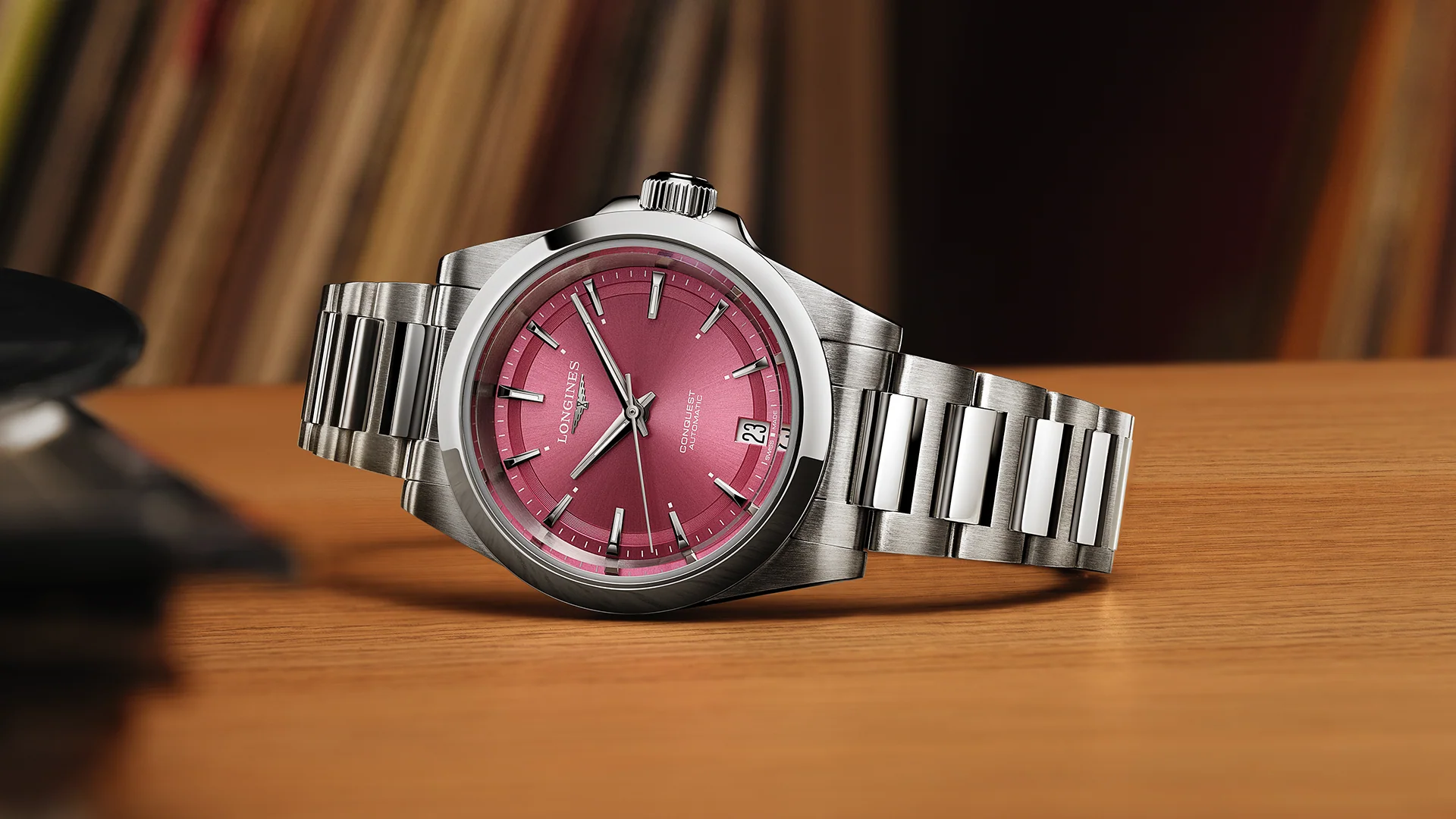
A good dealer is basically an insurance policy with a display case. You pay for access, vetting, and post-sale support. The best ones also protect you from the “Frankenwatch” problem, mismatched parts, incorrect dials, swapped bezels, and all the little sins that don’t show up until resale.
Not all dealers are equal (some are just marketplaces with better lighting), but when they’re serious, you get:
– a real intake process
– condition grading that matches reality
– warranty support that doesn’t vanish at delivery
Certified consignment: the middle lane that often makes sense
Certified consignment can be a sweet spot: inventory that’s been screened, priced closer to market than dealer retail, and still backed by return policies or limited warranties.
In my experience, this channel shines for buyers who want variety and speed without playing amateur forensic investigator all weekend.
Authentication: the difference between an asset and an expensive lesson
Authentication isn’t a vibe. It’s verification.
Done properly, it reduces three killers of long-term value:
1) Counterfeits (obvious problem)
2) Parts mismatch (the quiet problem)
3) Undisclosed work (the resale problem)
A watch can be “real” and still be wrong: service dials, incorrect hands, re-lumed markers, over-polished cases, replacement bracelets that don’t match the production year. Collectors pay premiums for originality because originality is easier to resell. Liquidity loves clarity.
If you want the specialist version of what to check, focus on:
– serial/reference consistency with production ranges
– dial printing alignment and lume aging congruence
– case geometry (sharp edges vs rounded polishing loss)
– movement caliber correctness *and* finishing details
– bracelet/end-link codes matching the era
And yes, I know some people get annoyed by how picky this sounds. That pickiness is literally where the money is.
The four metrics that actually move price: provenance, condition, service history, certification
Some buyers obsess over “age.” Serious buyers obsess over *evidence*.
Provenance
Provenance is the paper trail plus the story that can be proven. Original invoice, warranty card, prior service documentation, even photos that match serial numbers, these reduce uncertainty. Uncertainty is expensive.
Condition (and why “unpolished” is a loaded word)
Condition isn’t just scratches. It’s geometry. It’s whether the lugs still have definition. It’s whether the case lines look like the manufacturer intended or like someone “refreshed” them to death.
One clean, honest watch beats a “restored” one nine times out of ten.
Service history
A recent service is good. A *documented* service from a respected shop is better. Receipts matter because they tell you what was replaced. They also tell you whether the seller is the kind of person who keeps records, small signal, big implications.
Certification
Certification should function like a standardized trust mechanism. The best certifications come with clear grading, documented tests, and a meaningful warranty. The weak ones give you a PDF and a smile.
Depreciation, scarcity, and waitlists: the part people misunderstand
Retail buyers treat waitlists like proof of value. Sometimes they’re right. Often they’re just witnessing a distribution strategy.
Depreciation behaves in patterns:
– high production, trend-driven pieces tend to fall hardest
– icons with consistent demand often stabilize quickly
– truly rare references can trade irrationally (in both directions)
Scarcity is not the same as “limited edition.” I’ve watched plenty of limited runs drift downward because the design didn’t age well or the collector base never formed. Meanwhile, certain “standard” references remain liquid because everyone knows what they are and buyers exist at multiple price tiers.
Timing helps, but don’t romanticize it. The cleaner play is buying watches that are easy to explain to the next buyer.
Resale upside: how value actually grows (when it does)
Most watches do not “moon.” They behave more like durable goods with pockets of appreciation.
Resale upside usually comes from a few repeatable drivers:
– reference discontinuation that tightens supply
– sustained collector demand across multiple years (not one season)
– full sets and documented originality
– condition scarcity (finding a sharp, honest example gets harder)
If you want a practical rule: buy what the market repeatedly rewards, not what the forums are excited about this month. Hype is loud. Liquidity is quiet.
A low-risk checklist (the one I’d actually use)
Short list, because long lists make people sloppy.
– Identity: confirm reference and serial; verify they align with known production ranges
– Originality:dial/hands/bezel correct for the era; watch out for “service replacements” presented as original
– Case condition: inspect lug shape, chamfers, crown guards; over-polishing is value leakage
– Movement: correct caliber, clean servicing marks, no corrosion, no hacked-in parts
– Documents: warranty card/papers, receipts, service invoices, ownership trail when possible
– Seller terms: return window, warranty coverage details, who pays shipping/insurance
– Pricing: compare against recent comps, then subtract expected service cost if history is unclear
One last opinionated note: if the seller can’t answer basic questions cleanly, walk. There will be another watch.
The point of all this
Buying pre-owned luxury watches isn’t about being cheap. It’s about being deliberate.
When you prioritize verified condition, provenance, and meaningful certification, you’re not just avoiding fakes, you’re building a position you can defend later. And if you ever decide to sell, the watch won’t need a speech. The documentation will do the talking.