
In modern industrial automation, proximity sensor test knowledge plays a vital role in ensuring seamless system performance and operational stability. A well-structured understanding of testing techniques enables efficient communication between sensors and control systems, reducing errors and improving responsiveness. This foundation supports industries in achieving higher accuracy, smoother automation, and consistent workflow execution across diverse environments.
Importance of Proximity Sensor Test Knowledge in Automation
Proximity sensor test knowledge ensures that automated systems operate with precision and minimal disruption. By validating sensor responses under different conditions, engineers can maintain consistent detection accuracy and reduce system downtime. This process is essential for applications where real-time object detection directly impacts workflow efficiency and safety. It also strengthens system reliability by identifying potential faults early in the operational cycle.
Core Elements of Sensor Test Knowledge
Effective sensor testing involves evaluating detection range, response time, signal clarity, and environmental adaptability. These parameters help ensure that sensors function optimally within automated systems. Understanding these elements allows technicians to fine-tune configurations for maximum efficiency and consistent performance. Regular proximity sensor test reduces unexpected failures.
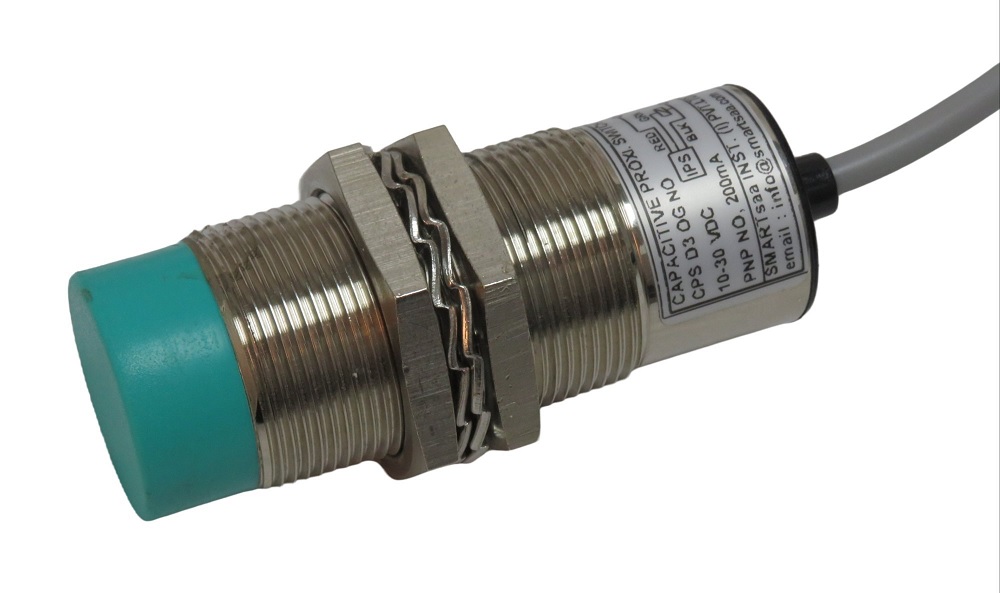
Integrating Sensor Testing into Automated Workflows
Smooth integration of proximity sensor testing into automated workflows enhances system coordination and reduces manual intervention. It allows continuous monitoring of sensor performance, ensuring timely adjustments and improved productivity. With proper testing protocols, automated systems can adapt dynamically to changing operational conditions without compromising accuracy or speed. This integration also contributes to long-term efficiency and system scalability.
Best Practices for Reliable Sensor Testing
- Regular calibration of sensors ensures consistent detection accuracy and reduces operational deviations.
- Testing under varied environmental conditions improves resilience and operational stability.
- Continuous monitoring helps identify performance drift and supports proactive maintenance strategies.
- Proper documentation of test results enhances traceability and workflow optimization.
Conclusion: Advancing Automation Through Strong Sensor Test Knowledge
Proximity sensor test knowledge is a key enabler of reliable and efficient automated systems across various industries. It ensures that sensing components communicate effectively with control systems, reducing delays and enhancing overall workflow precision. With proper testing expertise, organizations can achieve higher operational consistency and improved system intelligence.
Furthermore, integrating structured testing practices into automation workflows leads to reduced downtime, improved safety margins, and optimized resource utilization. As systems become more complex, the importance of sensor test knowledge continues to grow, supporting scalable and future-ready operations. This proactive approach empowers industries to maintain high performance standards and adapt seamlessly to evolving technological demands.
In conclusion, mastering proximity sensor test knowledge not only strengthens automation reliability but also lays a strong foundation for continuous improvement, innovation, and long-term operational excellence in automated environments.
SEO Enhancement Highlights for Sensor Test Knowledge in Automation
Search engine optimized content around proximity sensor test knowledge emphasizes clarity, technical relevance, and workflow efficiency. By focusing on integration benefits, operational accuracy, and system reliability, this topic remains highly valuable for industries adopting automation. Strong keyword alignment ensures better visibility and reinforces the importance of structured sensor testing practices in modern industrial ecosystems.